Sustainability is a current buzz word amongst many suppliers within the construction industry and is almost as over-used as contemporary. What does sustainable mean and how can it be measured? Is sustainability a key factor in deciding which design to opt for or which materials to specify? Does it all come down to budget in the end? These are some of the questions this article will try to answer in a short, succinct manner.
What does sustainability mean and how can it be measured?
A common sense approach to sustainability is the balance between durability, suitability of use, availability, value for money and impact on the environment and people, current and in the future.
Experience suggests that most project briefs state the materials must be from a sustainable source and must perform to at least current part L building regulation standards. The Code for Sustainable Homes goes further than Part L by offering a grading system for new homes based on nine categories:
- Energy and CO2 emissions
- Water
- Materials
- Surface Water Run-off
- Waste
- Pollution
- Health and Wellbeing
- Management
- Ecology
There are some mandatory performance requirements in some of the categories, but this is not part of the scope for this article. More information on the Code for Sustainable Homes is available from: http://www.communities.gov.uk/planningandbuilding/sustainability/codesustainablehomes/
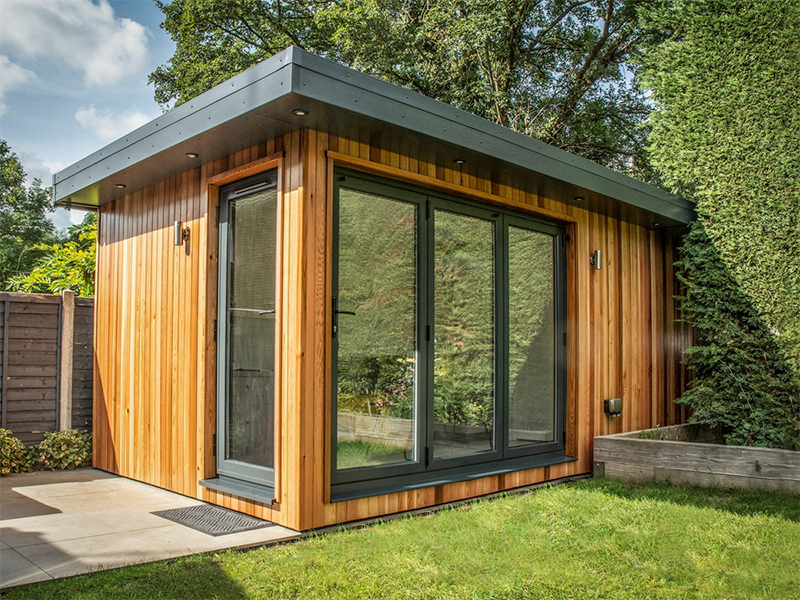
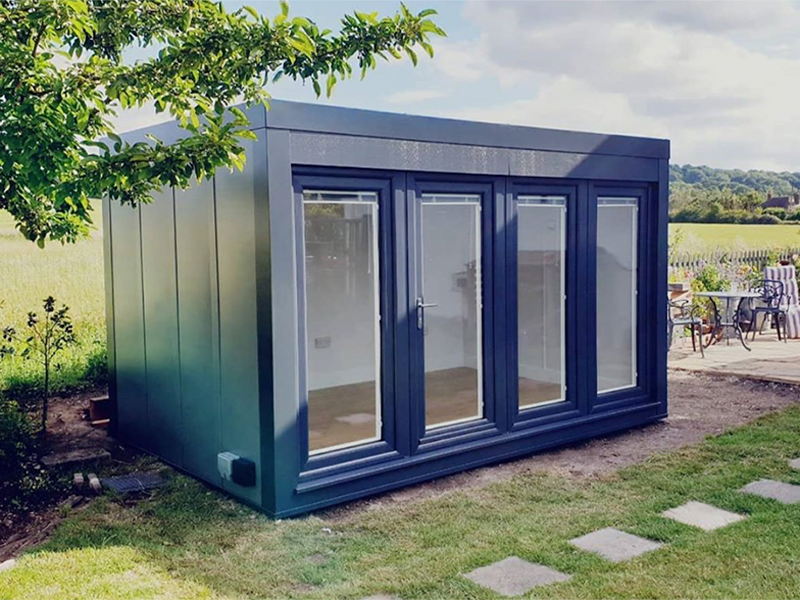
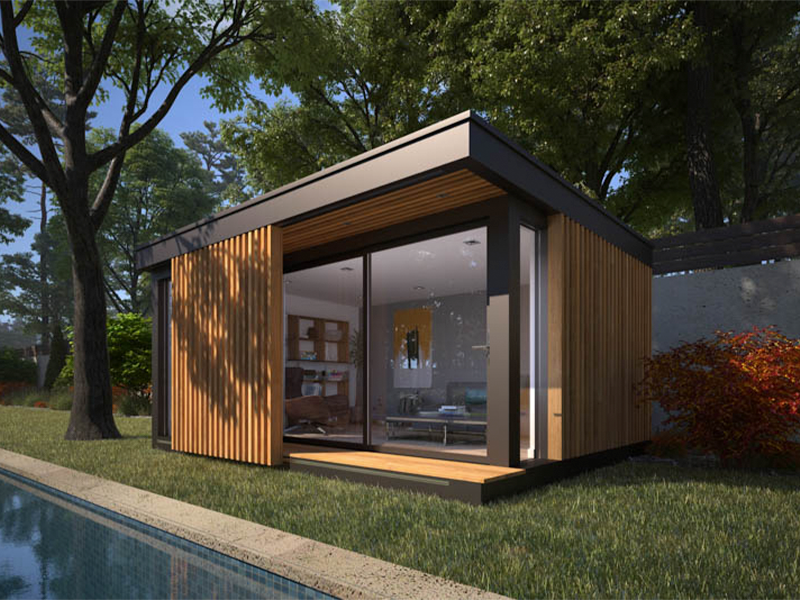
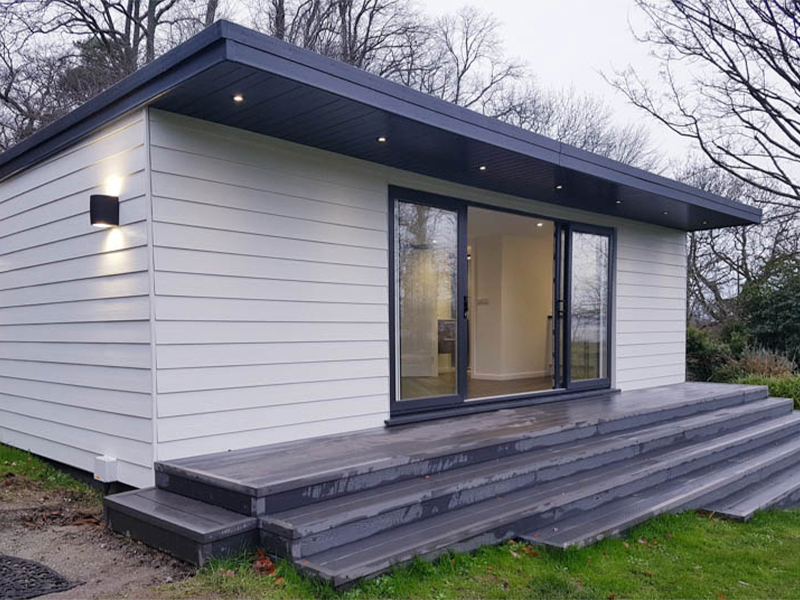
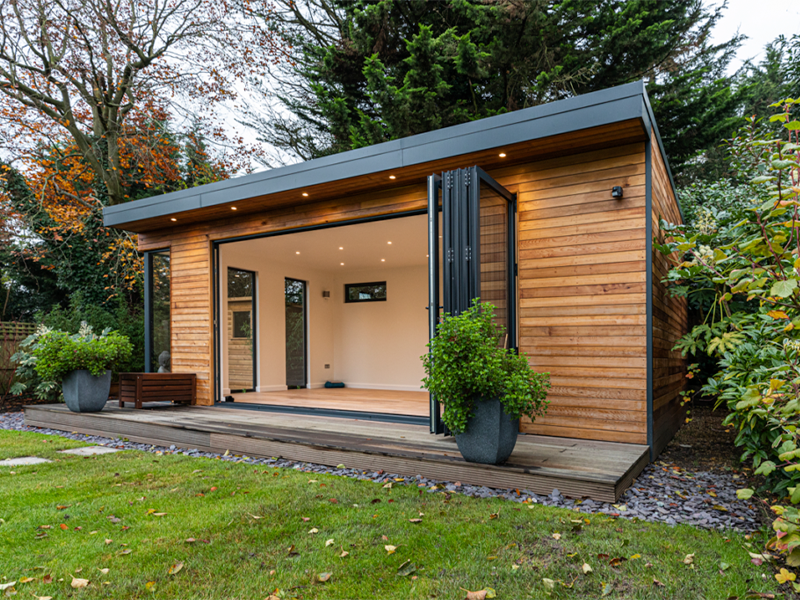
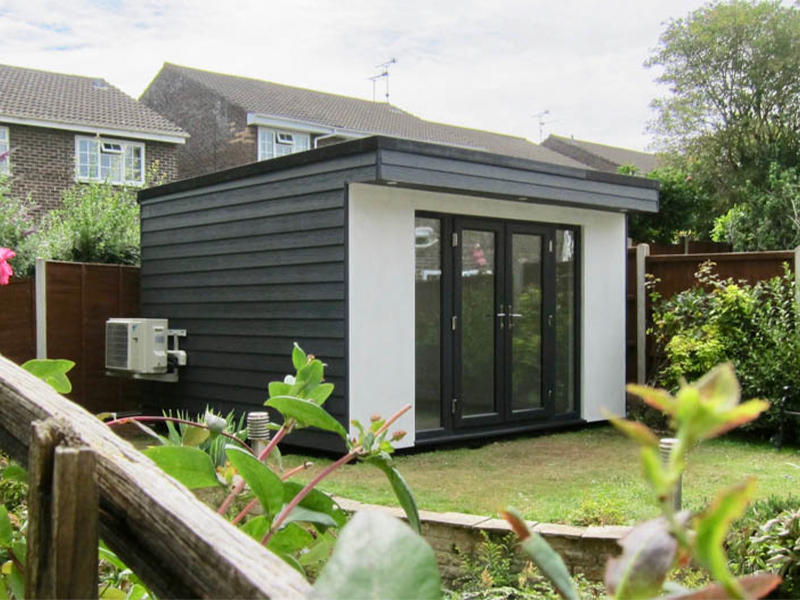
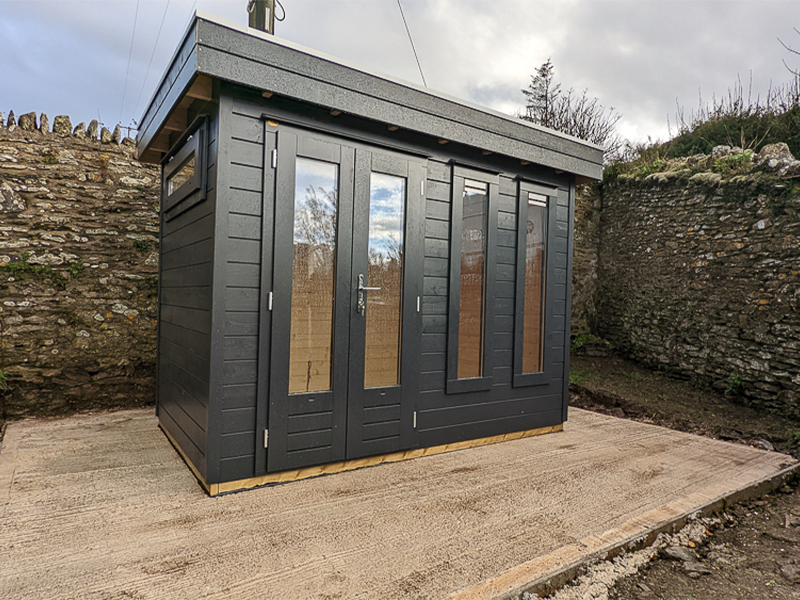
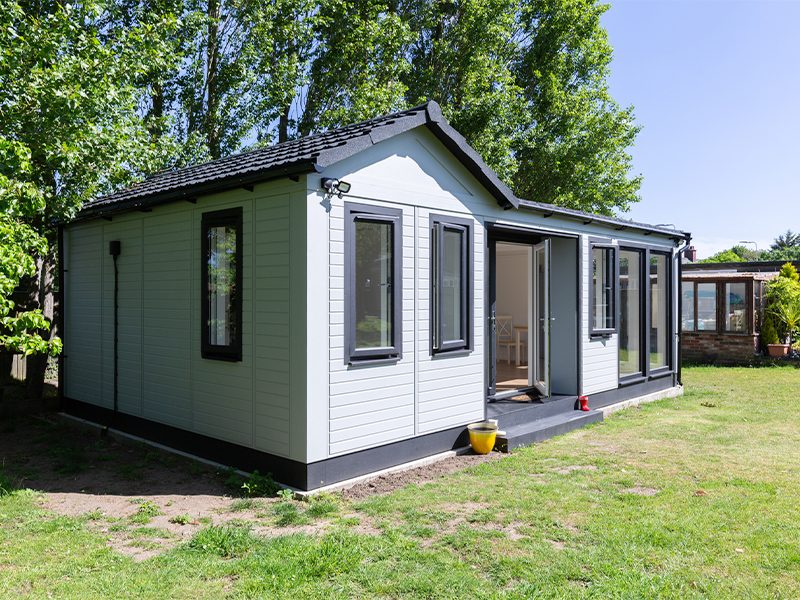
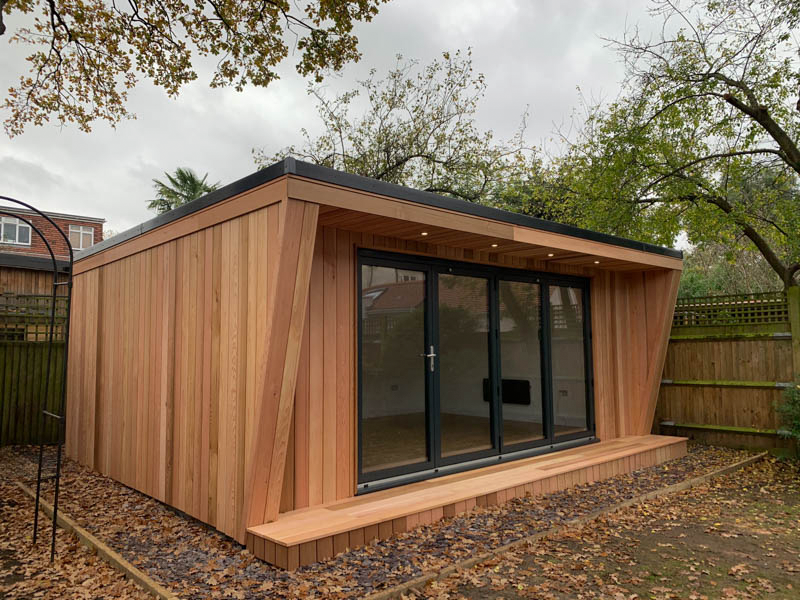
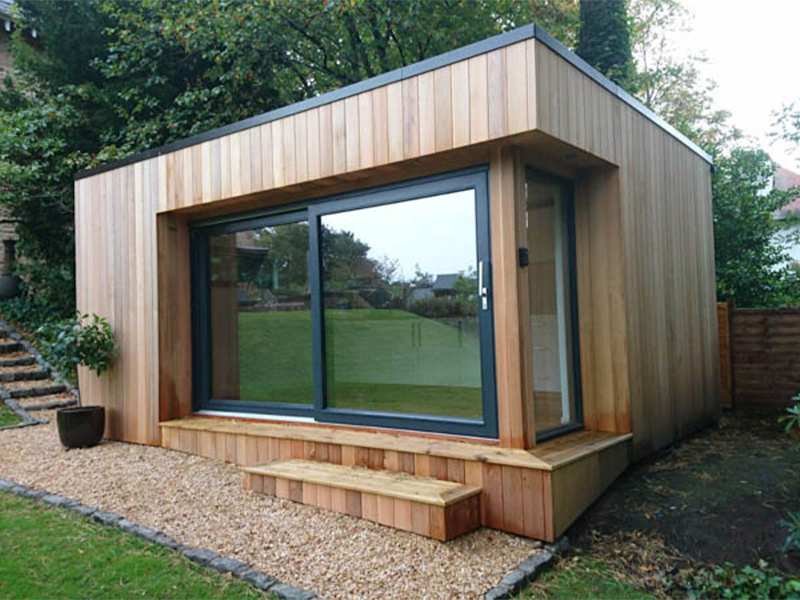
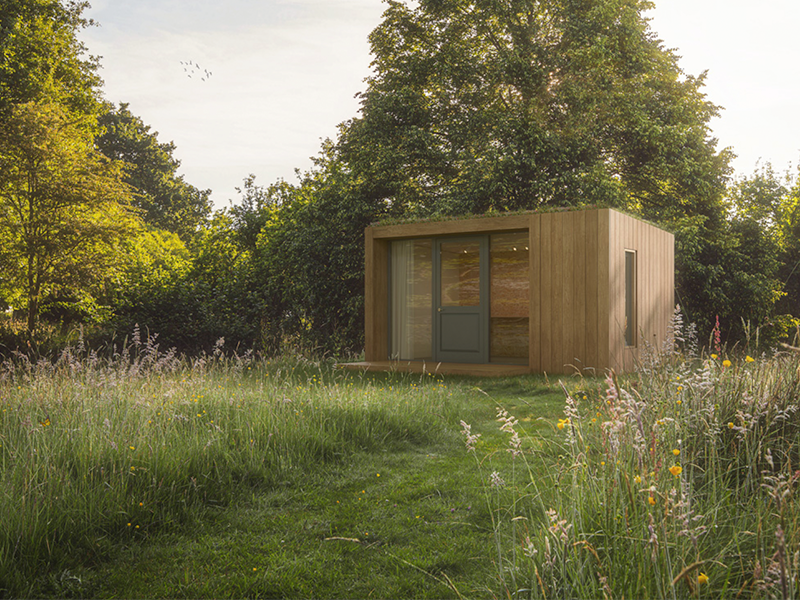
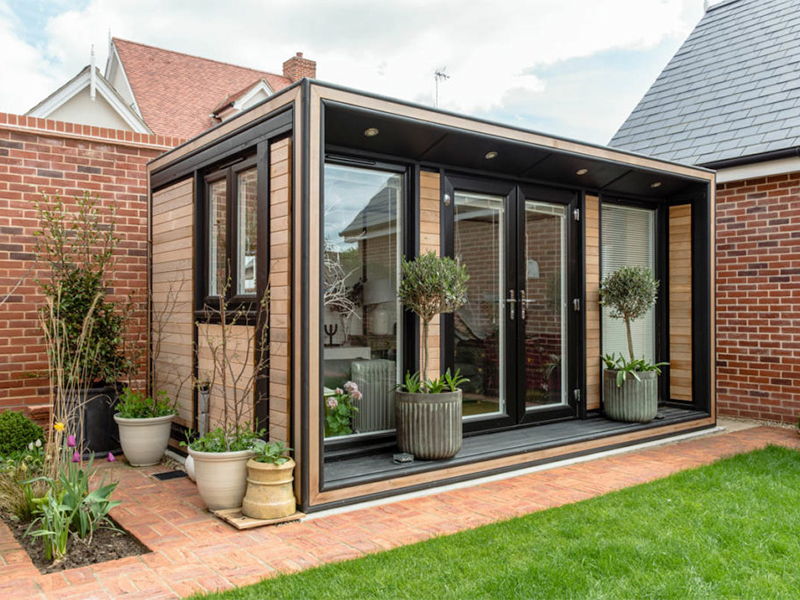
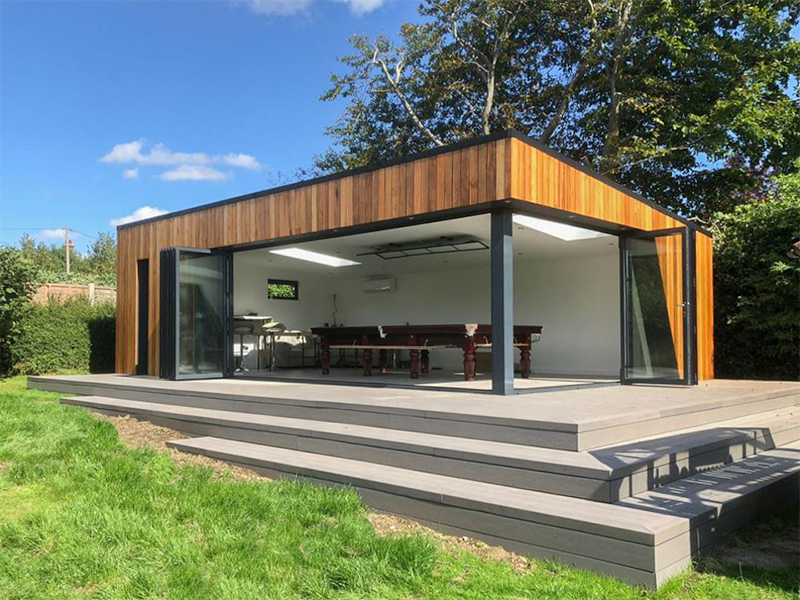
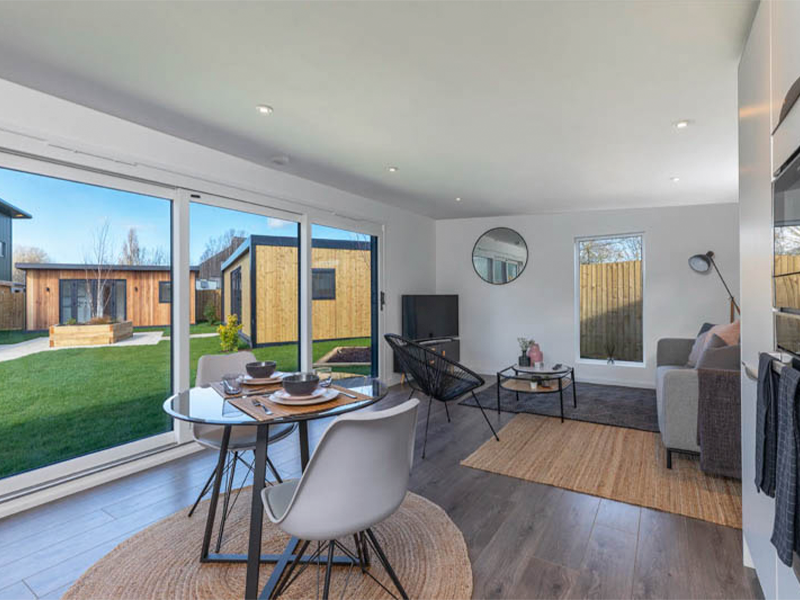
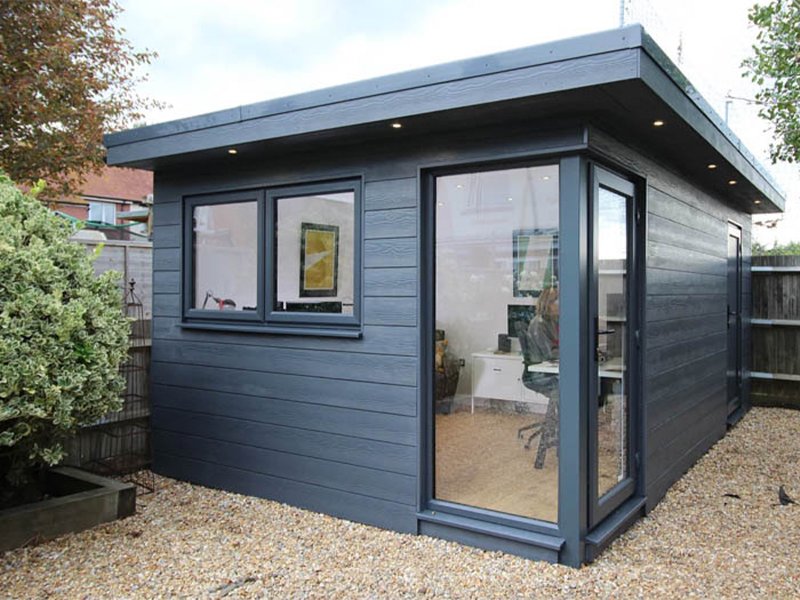
The garden room industry is one of the few areas of construction that has seen growth over the past few years and many suppliers are offering standard features and optional extras which will improve the energy saving function of garden rooms. Other manufacturers offer paint with low levels, or even zero levels of VOCs (Volatile Organic Compounds), which have been tested to help improve health and wellbeing.
Sustainability Vs Budget
As a guide to which supplier you should choose and what budget to set try asking the following questions:
- Does your supplier offer energy efficient fixtures and fittings?
- Does your supplier use timber from sustainable sources with evidence of a chain of custody e.g. FSC or PEFC?
- Does your supplier offer insulation levels up to or beyond current building regulations?
- Does your supplier offer alternative insulation materials such as hemp or sheep wool?
- Does your supplier offer minimal concrete in their foundation system?
- What energy rating and u-values are achieved from the windows?
- Does your supplier have a UK supply chain?
Whilst it is true that if you answer yes to all these questions, you will probably have to invest more upfront cash, the long term cost of ownership of your garden room will be considerably lower both in terms of cash and the earth’s resources.
If you would like a garden room that is built sustainably then take a look at the Room4-you website